




How Often Does Your Ram Truck Need an Oil Change?
Your Ram truck works hard, so don’t let dirty oil hold it back. Oil is the lifeblood of your truck’s engine, lubricating moving parts, managing heat, and sweeping away the grit and grime that build up over time. But oil doesn’t stay effective forever. As it breaks down, it loses its ability to protect your engine, which is why staying on top of oil changes is one of the easiest ways to keep your Ram running strong.
But how often should you actually change your Ram’s oil? It depends. Your model, engine type, driving habits, and driving conditions all play a role. Whether you’re commuting in a Ram 1500, putting a Ram 2500 or 3500 to work on a job site, or towing and hauling regularly, sticking to the right maintenance schedule helps protect your engine and keeps your truck performing the way it should.
In this guide, Team Myrtle Beach breaks down how often to change your Ram’s oil, what can shift your ideal interval, and the warning signs that it’s time for a change.
How Often Should You Change the Oil in a Ram Truck?
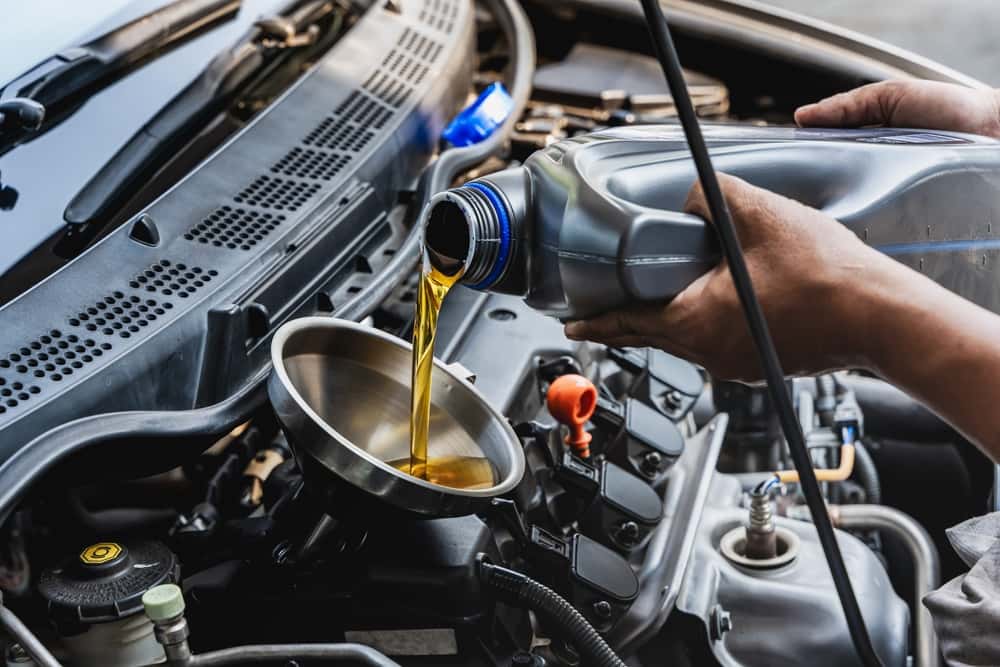
As a general rule, Ram trucks should have an oil change every 7,500 – 10,000 miles. But that interval varies from truck to truck. Your specific model has its own interval, so we recommend following the maintenance schedule in your owner’s manual.
Your driving habits can also affect how frequently your truck needs an oil change. Severe or demanding driving conditions, like heavy towing or off-roading, typically require more frequent oil changes than normal driving.
How Driving Habits Affect Ram Oil Change Intervals
How you drive your Ram matters as much as how often you drive it. Certain conditions push your engine harder, causing oil to break down faster than under normal use. Here are some driving habits that cause your engine to work harder:
- Stop-and-Go Traffic – Constantly starting, stopping, and idling wears on your engine more than highway cruising. If your daily drive means sitting in heavy traffic, it’s even more important to keep up with oil and fluid maintenance.
- Short Trips – Quick trips around town don’t give your engine enough time to reach its ideal operating temperature. Over time, this lets moisture and contaminants build up in the oil, making regular oil changes even more essential.
- Towing and Hauling – Hauling heavy loads or pulling a trailer puts extra strain on your engine. Ram trucks are engineered for tough jobs, but if towing and hauling are part of your routine, keeping up with your recommended maintenance schedule is a must.
- Dusty or Harsh Conditions – Unpaved roads, job sites, and dusty terrain expose your engine to extra contaminants. These tougher conditions can shorten the life of your oil and filter, so you may need service sooner.
- Extreme Temperatures – Oil doesn’t love extremes. High heat, like a Myrtle Beach summer, speeds up oil breakdown, while cold temperatures can thicken oil and make it harder to circulate when you first start your engine.
Why Are Regular Oil Changes Important for a Ram Truck?
Sticking to your recommended oil-change schedule isn’t just a maintenance box to check. It’s actually one of the best things you can do to protect your engine and extend your Ram’s life. Fresh oil delivers real, tangible benefits:
- Keeps Engine Components Lubricated – Oil forms a protective barrier between moving parts, reducing friction and wear. But as it works, it picks up dirt, debris, and combustion byproducts. Replacing old oil with fresh oil restores that clean, protective layer.
- Helps Protect Against Corrosion – Engine oil contains additives designed to guard internal components against corrosion. Those additives break down over time, so regular oil changes keep that protection active.
- Supports Engine Performance – Clean oil means less friction, and less friction means your engine runs the way it’s supposed to: smooth, responsive, and efficient. Staying on schedule keeps it that way.
- Can Help Maintain Fuel Efficiency – When oil breaks down, friction increases inside the engine, which can reduce your fuel economy. Keeping oil fresh and at the proper level helps your engine work efficiently instead of fighting itself.
- Helps Reduce Engine Wear – Fresh oil clears out contaminants and keeps lubrication where it needs to be. Less friction between moving parts means less wear over time and a healthier engine down the road.
- Supports Long-Term Engine Life – An oil change is quick, affordable, and simple compared to the cost of major engine repairs. Staying consistent with your maintenance schedule protects your investment and helps keep your Ram on the road for the long haul.
Ram 1500 Maintenance Mileage
Oil changes are only one part of Ram 1500 maintenance. You should also inspect or service other components, fluids, filters, and systems at appropriate intervals.
As we mentioned, the right maintenance schedule for your Ram can vary by model year and powertrain, so always use your owner’s manual as the final authority. A general maintenance plan may include the following milestones:
|
Mileage |
General Maintenance |
|
Around 8,000 miles |
Check oil and fluid levels, rotate the tires, and change the oil and filter as recommended. |
|
Around 20,000 miles |
Inspect the front suspension, brakes, and tie rods; adjust or replace components when necessary. |
|
Around 30,000 miles |
Inspect the transfer case, axles, and CV or universal joints. Replace engine and cabin air filters as needed. |
|
Around 60,000 miles |
Inspect transmission fluid, filters, engine coolant, brake fluid, and related lines. Replace fluids or components when required. |
|
Around 100,000 miles |
Repeat applicable inspections and check components such as spark plugs and other engine-related parts. |
|
Around 120,000 miles |
Repeat applicable 60,000-mile maintenance and inspect the transfer case, particularly for trucks used for towing. |
|
Around 150,000 miles |
Inspect engine and cabin air filters and replace them when necessary. |
These mileage points are general maintenance milestones, not a replacement for the factory maintenance schedule. Your Ram’s model year, engine, drivetrain, mileage, and usage can all impact when specific services are required.
During routine maintenance, it’s also a good idea to have your technician check important systems such as the brakes, cooling system, suspension, tires, and electrical components.
Signs Your Ram May Need an Oil Change
Your Ram’s maintenance reminder system and owner’s manual should be your primary guides, but certain symptoms can indicate that your truck needs attention. Watch for:
- An illuminated oil-pressure or engine warning light
- Unusual engine noises
- Oil that appears excessively dirty
- An oil smell inside or around the vehicle
- Visible oil leaks
- An unusually low oil level
- Changes in engine performance, such as lower fuel efficiency
If you notice a warning light, unusual engine noise, or signs of an oil leak, don’t put it off. Have a technician inspect your Ram as soon as possible rather than waiting for your next oil change.
Ram Oil Change at Team Myrtle Beach
For Ram owners in the Myrtle Beach area, staying current on routine maintenance can help you get more reliable performance from your truck whether you’re commuting, working, towing, or taking your next road trip.
Visit our Ram service center in Myrtle Beach for all your Ram maintenance needs, including oil changes!
Frequently Asked Questions About Ram Oil Changes
How often should I change the oil in my Ram 1500?
Follow the oil-change interval specified for your Ram 1500’s model year and engine in the owner’s manual or vehicle maintenance system. Aim to have an oil change at least every 10,000 miles or annually, whichever comes first.
How often does a Ram 2500 need an oil change?
The recommended interval depends on the Ram 2500’s engine, model year, oil specification, and driving conditions. Check your owner’s manual for the correct schedule.
How often does a Ram 3500 need an oil change?
Ram 3500 oil-change intervals vary by engine and model year. Follow the factory maintenance schedule for your specific truck.
Does towing affect how often I should change my Ram’s oil?
Yes. Frequent towing and heavy hauling can put extra demands on the engine, which usually means more frequent oil changes. We recommend discussing the right maintenance interval with a qualified technician.
Is synthetic oil better for a Ram truck?
Synthetic oil can provide benefits in certain applications, but the correct oil is the one that meets your Ram engine’s required specifications.
What happens if I don’t change my Ram’s oil?
Old oil becomes contaminated and loses some of its ability to lubricate and protect engine components, which can increase engine wear over time.
Can I check my Ram’s oil myself?
Yes. You can check the oil level yourself by following the procedure in your owner’s manual. Park on a level surface and use the correct procedure for your specific engine.
What are signs that my Ram needs an oil change?
Warning lights, unusual engine noises, visible leaks, low oil levels, or changes in engine performance can indicate that your Ram needs inspection or service.
Does my Ram tell me when it needs an oil change?
Many Ram trucks have a vehicle information or maintenance reminder system that can alert you when an oil change is due. You should still follow the factory maintenance schedule.
Does a Ram oil change include more than changing the oil?
A professional oil-change service may include an oil filter replacement and basic inspections, although the exact services depend on the dealership and maintenance package.
0 comment(s) so far on How Often Does Your Ram Truck Need an Oil Change?